
Why Shin Splints Keep Coming Back After Treatment
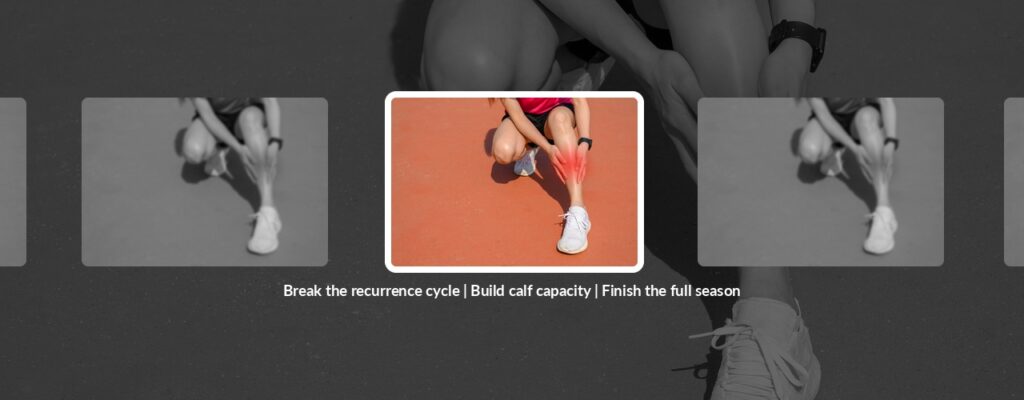
Shin pain settles down, you return to running, and then the familiar ache starts creeping back. This cycle can happen when shin splints physical therapy treatment focuses on calming the sore area but misses the reasons the shin keeps taking more stress than it can handle. A more complete approach looks at strength, running demands, movement, and how well the lower leg handles repeated impact.
Why Previous Shin Splint Treatment Left the Real Problem Unresolved
Recurring shin splints can be frustrating for runners and active adults. Rest may calm symptoms, but it does not always change what happens when running starts again.
Training changes, calf weakness, hip control, foot mechanics, and reduced tolerance to repeated impact can all affect stress along the shin. Shin splints physical therapy treatment can target these factors so the leg is better prepared for running instead of simply waiting for soreness to fade.
Shin splints physical therapy treatment that keeps the lower leg healthy through an entire training season addresses more than the shin. Rehab Partners identifies all the contributors and treats them. Book your evaluation today.
Eight Reasons Shin Splints Keep Coming Back and What Physical Therapy Does About Each One
1. Your Training Load Changes Too Quickly
A sudden jump in running demand can expose a gap between what your legs can currently tolerate and what your training requires. Physical therapy can help build loading capacity so the shin gradually becomes better prepared for repeated running stress.
2. Your Calves Need More Capacity
The calf muscles help manage force each time your foot meets the ground. If they tire too soon, more stress may reach tissues around the shin, so strengthening can be an important part of shin splints physical therapy treatment.
3. Your Hips Are Not Sharing Enough Work
Running is a whole leg activity. Physical therapists can assess hip and gluteal strength and control to see whether these muscles are contributing effectively while you run.
4. Your Foot Mechanics Increase Shin Stress
How your foot contacts the ground can change the way force travels through your lower leg. A physical therapist may examine your running pattern and determine whether movement changes or targeted exercises could reduce repeated stress on the shin.
5. Rest Became the Main Treatment
Taking a break may reduce irritation because the shin is no longer facing the same repeated load. But returning to the same demands without rebuilding strength and tolerance can bring symptoms back.
6. Your Lower Leg Was Not Prepared for Running Again
Feeling better during walking does not always mean your leg is ready for repeated running impact. Rehabilitation can gradually introduce higher demands so the muscles and other tissues have a chance to adapt before full training resumes.
7. Your Evaluation Did Not Look Beyond the Painful Spot
At Rehab Partners, an assessment can examine how the shin handles running forces, how the hips and glutes contribute, how the foot meets the ground, and how the lower leg responds as activity becomes harder. These findings help shin splints physical therapy treatment focus on factors that may be keeping the problem active.
8. Your Rehab Stopped Before Running Capacity Returned
Pain relief is useful, but a runner needs more than comfortable everyday movement. Physical therapy can progress strengthening, impact drills, running exposure, and sport-specific tasks until the leg is better prepared for training demands.
Reclaiming a Training Season That Does Not Revolve Around the Shin
Recurring shin splints can turn running into a cycle of training, stopping, resting, and starting over. For someone who has already lost valuable training blocks, another round of waiting for the shin to settle may leave the same questions unanswered.
A personalized assessment at Rehab Partners can identify which factors matter most for your symptoms and running demands. The goal is to build a leg that is better prepared for the work you are asking it to do.
Shin splints that keep returning after treatment are not a training problem. They are an unresolved physical problem. Rehab Partners resolves it. Reach out to arrange your assessment.