

How Physical Therapy Helps Correct Neck Pain from Poor Posture
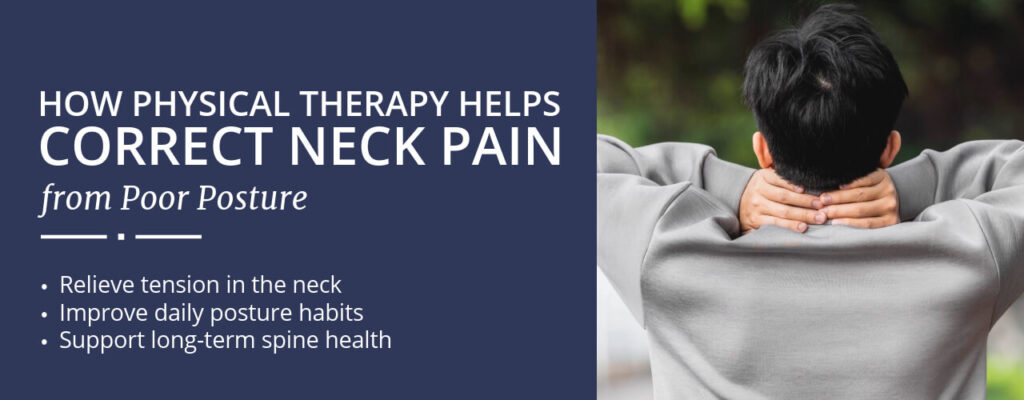
Neck pain is one of the most common complaints among adults, especially those who spend hours at desks, on mobile devices, or driving. Over time, these habits contribute to neck pain from poor posture, leading to discomfort, stiffness, and even radiating pain into the shoulders or arms. While some people attempt to fix the problem through self-care or posture reminders, working with a physical therapist often leads to more lasting and effective results.
Understanding the differences in approach, outcomes, and risks is essential if you’re deciding between self-managing your symptoms and pursuing professional care.
Understanding Neck Pain from Poor Posture
Poor posture places excessive strain on the cervical spine, causing the muscles, joints, and ligaments to compensate for improper alignment. The most common postural fault is forward head posture, where the head protrudes in front of the shoulders. This places added stress on the upper back and neck muscles, leading to muscle fatigue, joint restriction, and tension headaches.
Left untreated, neck pain can develop into chronic discomfort that affects concentration, sleep, and daily function. Recognizing this issue early and addressing it through targeted intervention is key to avoiding long-term complications.
Why Physical Therapy Is More Effective for Neck Pain from Poor Posture
While internet tutorials, posture braces, and ergonomic chairs can offer temporary relief, they often fall short of correcting the underlying problem. Here is a comparison of physical therapy versus self-care methods for neck pain from poor posture.
1. Individualized Assessment vs. General Advice
Self-Care
Most people turn to online resources for stretches or posture cues. These recommendations are general and may not address the root cause of your pain.
Physical Therapy
A physical therapist performs a detailed evaluation to identify specific muscle imbalances, joint restrictions, and movement patterns contributing to your posture problem. This leads to a tailored care plan, not a one-size-fits-all solution.
2. Professional Guidance vs. Trial and Error
Self-Care
Correcting posture on your own can involve a lot of guesswork. Without feedback, it’s hard to know if you’re doing exercises correctly or reinforcing poor habits.
Physical Therapy
Therapists provide hands-on guidance, ensuring you perform exercises with proper form and make progress safely. They also adjust your program based on how your body responds to treatment.
3. Functional Strengthening vs. Quick Fixes
Self-Care
Products like posture braces or ergonomic pillows may ease symptoms temporarily but do not address muscle weakness or poor movement control.
Physical Therapy
A therapist will help strengthen the muscles that support your head, neck, and shoulders. By improving strength and endurance in these areas, you create long-term change in posture and pain reduction.
4. Manual Therapy vs. Inactivity
Self-Care
People often avoid movement when in pain, thinking rest will help. However, too much rest can worsen stiffness and discomfort.
Physical Therapy
In addition to exercise, therapists use manual techniques to reduce muscle tension, increase joint mobility, and improve blood flow. These hands-on strategies provide pain relief while supporting improved posture.
5. Prevention and Education vs. Recurring Symptoms
Self-Care
Even if symptoms improve temporarily, most self-care methods do not offer tools to prevent recurrence. As a result, neck pain may return.
Physical Therapy
Therapists not only treat symptoms but also educate patients on posture awareness, work setup, and movement habits. This empowers you to prevent future flare-ups and maintain better spine health over time.
The Clear Advantage of Professional Care
When dealing with neck pain from poor posture, physical therapy offers more than symptom relief. It provides a systematic, evidence-based approach to correcting faulty posture mechanics, improving muscular balance, and restoring proper movement.
At Rehab Partners, our physical therapists work closely with each patient to develop personalized care plans that address pain and improve function. Whether your goal is to feel better at work, sleep more comfortably, or return to physical activity, we guide you through every step of recovery.
Ready to Improve Your Posture and Relieve Neck Pain?
Ignoring or self-managing posture-related neck pain can lead to more severe problems over time. Don’t wait for symptoms to become chronic. Contact Rehab Partners today for a professional evaluation and discover how physical therapy can help you move better, feel stronger, and prevent future issues.