
How to Deal with a Rotator Cuff Injury from Sports
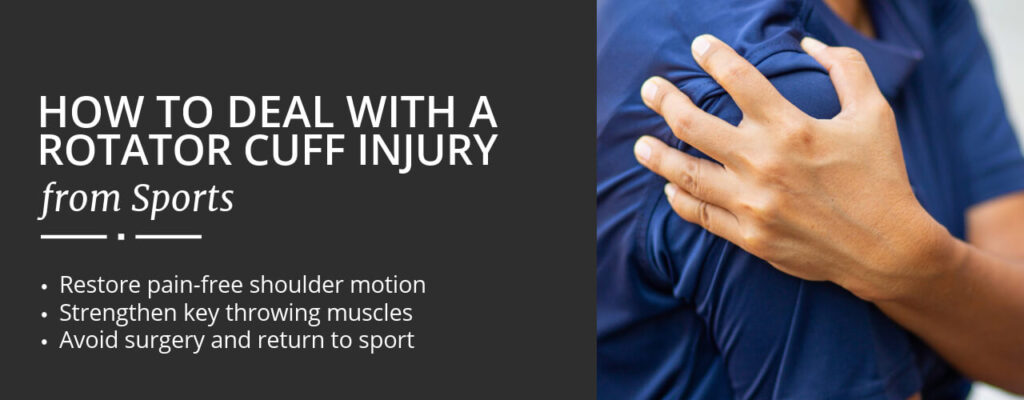
Rotator cuff injuries are common in athletes who participate in overhead or high-force sports. These injuries often involve pain, weakness, and difficulty using the arm during activity or daily tasks. When 17-year-old Ethan (not his real name) came to Rehab Partners, he had been struggling with a rotator cuff injury from playing high school baseball. The pain in his throwing arm had been growing worse over several weeks, and it was starting to affect his performance and confidence on the field.
Ethan’s initial symptoms included aching pain in the front of the shoulder, weakness during overhead motions, and tightness that limited his range of motion. He also experienced discomfort at night and had trouble sleeping on the injured side. Like many young athletes, he was worried about missing the rest of his season and wanted to avoid surgery if possible.
Initial Assessment and Diagnosis
During his first visit to Rehab Partners, our physical therapists completed a thorough evaluation to assess Ethan’s shoulder mobility, strength, posture, and movement patterns. The results pointed to a rotator cuff injury, likely caused by repetitive stress and poor mechanics during throwing. His rotator cuff muscles, particularly the supraspinatus and infraspinatus, showed signs of inflammation and weakness. There was also scapular instability and tightness in the front of his shoulder, which further limited his control and motion.
Our goal was to create a non-surgical treatment plan that addressed pain, improved shoulder function and supported Ethan’s safe return to baseball.
Rotator Cuff Injury Recovery at Rehab Partners
We developed a multi-phase rotator cuff injury recovery program designed to meet Ethan’s performance goals and support his long-term shoulder health. His care plan included:
1. Pain Reduction and Early Mobility
In the early stages of care, we focused on controlling pain and reducing inflammation. Ethan received manual therapy to decrease muscle tightness and improve shoulder alignment. Gentle range-of-motion exercises helped restore mobility without aggravating the injured tissues. Education was provided to help him avoid painful positions and modify daily activities during recovery.
2. Scapular Stabilization and Rotator Cuff Strengthening
As pain decreased, we progressed to strengthening exercises that targeted Ethan’s rotator cuff and surrounding muscles. Special attention was given to the muscles that stabilize the scapula, as proper shoulder blade control plays a key role in healthy shoulder mechanics. These exercises were carefully progressed to match his strength and tolerance.
3. Postural Training and Movement Re-education
We worked on improving Ethan’s posture, especially addressing forward shoulder positioning and rounded upper back posture. Improving thoracic mobility and shoulder alignment helped reduce the mechanical stress on his rotator cuff during throwing. We also introduced motor control exercises to retrain movement patterns and support efficient, pain-free motion.
4. Return-to-Throwing Progression
Once Ethan had regained strength and pain-free range of motion, we began a return-to-throwing progression. This included sport-specific drills to improve coordination and performance. Throughout this phase, therapists monitored his mechanics and fatigue levels to ensure a safe transition back to competition.
Before and After: Measuring Progress and Outcomes
When Ethan first arrived at Rehab Partners, he rated his shoulder pain at 6 out of 10 during throwing and daily activities. He was unable to complete a full practice session without discomfort and had started compensating with other muscles, which increased his risk of further injury.
By the end of his physical therapy program:
- His pain had decreased to 0 out of 10 during most activities
- He regained full, pain-free shoulder range of motion
- His shoulder strength returned to baseline levels for his age and sport
- He successfully completed a full throwing program and returned to playing in games
- He reported improved confidence and better awareness of his throwing form
Ethan also received a long-term home exercise plan to help maintain shoulder stability and reduce the risk of future problems. He now understands how posture, movement, and strength all contribute to shoulder health.
You Don’t Have to Play Through the Pain
A rotator cuff injury can be frustrating for athletes who rely on full shoulder strength and function. Trying to play through the pain without addressing the cause often leads to more damage and longer recovery. Physical therapy at Rehab Partners provides a structured and personalized approach to healing. Our therapists are trained to help athletes regain strength, control, and confidence so they can return to the sports and activities they love.
If you or your child is dealing with shoulder pain or a suspected rotator cuff injury, contact Rehab Partners today. Our team will guide you through a recovery plan designed to relieve symptoms and restore performance.