
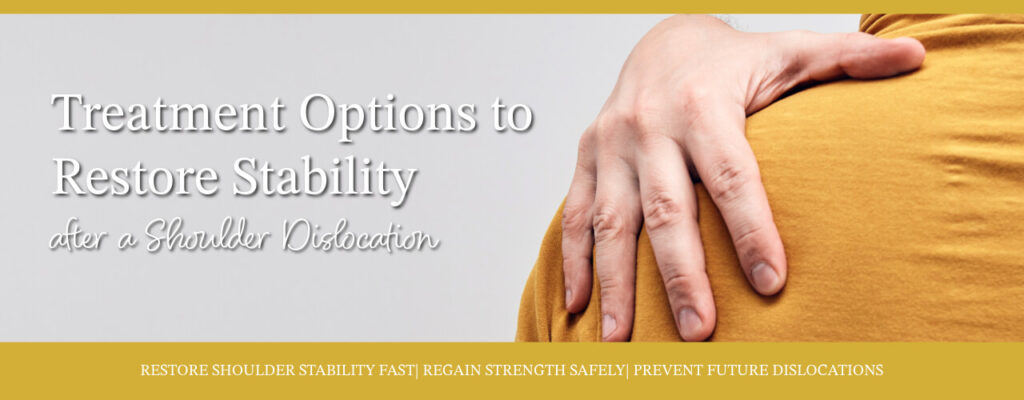
Treatment Options to Restore Stability After a Shoulder Dislocation
A shoulder dislocation happens when the ball of the upper arm bone slips out of its socket in the shoulder blade. It is a painful and often traumatic injury that affects athletes, active adults, and even those with joint instability from past injuries. Once it occurs, the chance of recurrence increases, especially if proper rehabilitation is not followed. That is why structured and progressive shoulder dislocation treatment is essential for restoring function and preventing long-term instability.
At Rehab Partners, our physical therapists help patients recover from shoulder dislocations with care plans that focus on restoring mobility, rebuilding strength, and returning safely to activity.
The Problem: How a Dislocation Can Limit Recovery and Confidence
A dislocated shoulder affects more than just the injured joint. It can lead to weeks or even months of weakness, reduced motion, and a persistent fear of re-injury. Common symptoms after a dislocation include:
- Sudden, sharp pain at the time of injury
- A visible change in the shoulder’s appearance
- Swelling and bruising
- Difficulty lifting the arm or rotating the shoulder
- A sense of looseness or instability
One of the biggest challenges patients face is rebuilding confidence in their shoulder. Many hesitate to return to normal tasks or sports, worried that the joint might slip out again. Some believe rest alone is enough to heal, but this can lead to joint stiffness, muscular weakness, and a greater risk of a repeat dislocation.
A complete shoulder dislocation treatment plan should include more than rest to fully restore shoulder function and reduce the chance of future injuries.
Shoulder Dislocation Treatment Restores Control and Reduces Risk
After a dislocation, the ligaments and capsule that support the shoulder can be overstretched or torn. This creates a less stable joint, especially in younger and more active patients. Physical therapy provides targeted treatment to restore control and strength around the shoulder.
At Rehab Partners, our therapists create custom recovery programs based on individual needs and goals. A typical plan includes the following components:
1. Initial Pain Management and Protection
In the first phase, the goal is to protect healing tissues and reduce inflammation. This may include using a sling, manual therapy to decrease swelling, and gentle movement to prevent stiffness from setting in too early.
2. Mobility Restoration
Once pain is better managed, therapy focuses on restoring the shoulder’s full range of motion. Gentle exercises help patients regain flexibility and begin moving the joint in a safe and controlled way.
3. Strength and Stability Training
Therapists help patients rebuild strength in key muscle groups such as the rotator cuff and scapular stabilizers. These muscles are important for holding the shoulder in place during movement. Balance and coordination drills are also introduced to retrain the body’s natural protective reflexes.
4. Functional Movement Progression
As healing progresses, patients begin working on higher-level activities that match their lifestyle. These may include lifting, reaching, or returning to recreational activities. The goal is to help the shoulder handle stress without pain or risk.
5. Education and Injury Prevention
Therapists also educate patients about posture, lifting techniques, and body mechanics to reduce the chance of future dislocations. Learning which movements or positions to avoid is a key part of long-term injury prevention.
Supportive Tips to Use at Home
Alongside structured therapy, these home care tips can help maintain progress:
- Ice the shoulder in the first two days to help reduce pain
- Avoid activities that involve reaching or lifting overhead
- Practice posture exercises to keep the joint aligned
- Stick to prescribed home exercises to reinforce gains
- Sleep in a position that does not strain the shoulder
Even when pain fades, returning to full activity too quickly can lead to setbacks. Following your therapist’s instructions helps reduce the chance of another injury.
Rebuild Your Shoulder with Confidence
A shoulder dislocation can feel like a major setback, but with the right guidance, recovery is possible. Shoulder dislocation treatment through physical therapy addresses the root causes of instability and helps you regain strength, confidence, and control. Whether your injury is recent or happened in the past, a structured program can help you return to your favorite activities safely.
Contact Rehab Partners today to schedule your evaluation and begin your path toward recovery with support from a team that understands your goals.